USA – TCEQ Releases Final Air Emissions Findings Following Valero Port Arthur Refinery Explosion
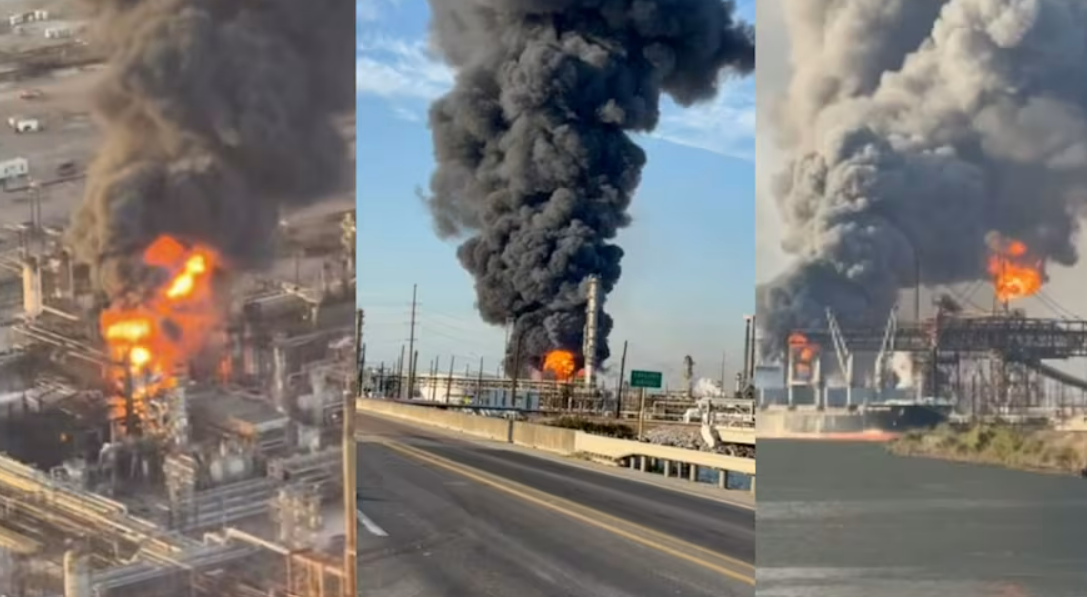
A massive explosion and fire erupted at the Valero Port Arthur refinery on March 23, sending flames and thick black smoke high into the air and shaking nearby neighborhoods. The Texas Commission on Environmental Quality has now published its final report outlining the refinery’s air emissions during the event.
Timeline and Scope
The emissions episode lasted 244 hours and 35 minutes, beginning at 6:25 p.m. on March 23 and ending at 11 p.m. on April 2. During this period, the refinery emitted more than 157,000 pounds of chemicals from 28 different release points across the facility.
Origin and Cause
Although the full root cause is still under investigation, officials say the incident began inside the refinery’s Diesel Hydrotreater unit (DHT-243). An unexpected release of process fluid within the unit:
- Triggered an ignition
- Led to multiple process upsets across the plant
A detailed investigation into what caused the initial failure is ongoing.
Chemicals Released
The report identifies a wide variety of compounds released into the air, including major groups such as:
- Benzene, butane, propane
- Carbon monoxide and nitrogen oxides
- Sulfur dioxide and hydrogen sulfide
- Particulate matter and volatile organic compounds
Additional substances listed include acetylene, ethylene, propylene, toluene, xylene isomers, and hydrocarbons such as octane, nonane, and pentane.
Emergency Response
Emergency crews were dispatched immediately to contain the fire. Refinery personnel also shut down several units to limit further emissions and stabilize operating conditions throughout the facility.
Emissions Calculation Methods
TCEQ’s emissions totals were determined using a combination of:
- Continuous Emissions Monitoring Systems (CEMS)
- On-site analyzers and flow meters
- Engineering-based calculations
Photo credit: KFDM Beaumont (KFDM). All rights reserved.