USA – Keystone Pipeline Operator Reaches $26.9 Million Settlement Over Kansas Oil Spill
South Bow, the Canadian operator of the Keystone pipeline system, has agreed to pay a $26.9 million civil penalty as part of a proposed settlement with U.S. authorities over the December 2022 oil spill in Kansas. The agreement also requires the company to invest approximately $40 million in pipeline safety improvements aimed at preventing similar incidents in the future.
The settlement resolves allegations by the U.S. Environmental Protection Agency (EPA) and the state of Kansas that the company breached federal and state clean water laws. In addition to the civil penalty, South Bow has agreed to provide more than $3 million to fund environmental restoration projects across Kansas. The proposed consent decree was filed in U.S. District Court on Friday and will undergo a 30-day public comment period before a judge decides whether to approve it.
Following the spill, South Bow said it acted immediately to contain the incident, launching emergency response efforts before receiving formal government directives. According to company spokesperson Sara Hunter, environmental remediation was completed in February 2024. She also said the company has since carried out inspections covering more than 12,000 miles of pipeline and conducted around 400 excavations to assess pipe conditions and perform repairs where necessary. Hunter said these measures reflect the company’s ongoing commitment to maintaining a safe and reliable pipeline system.
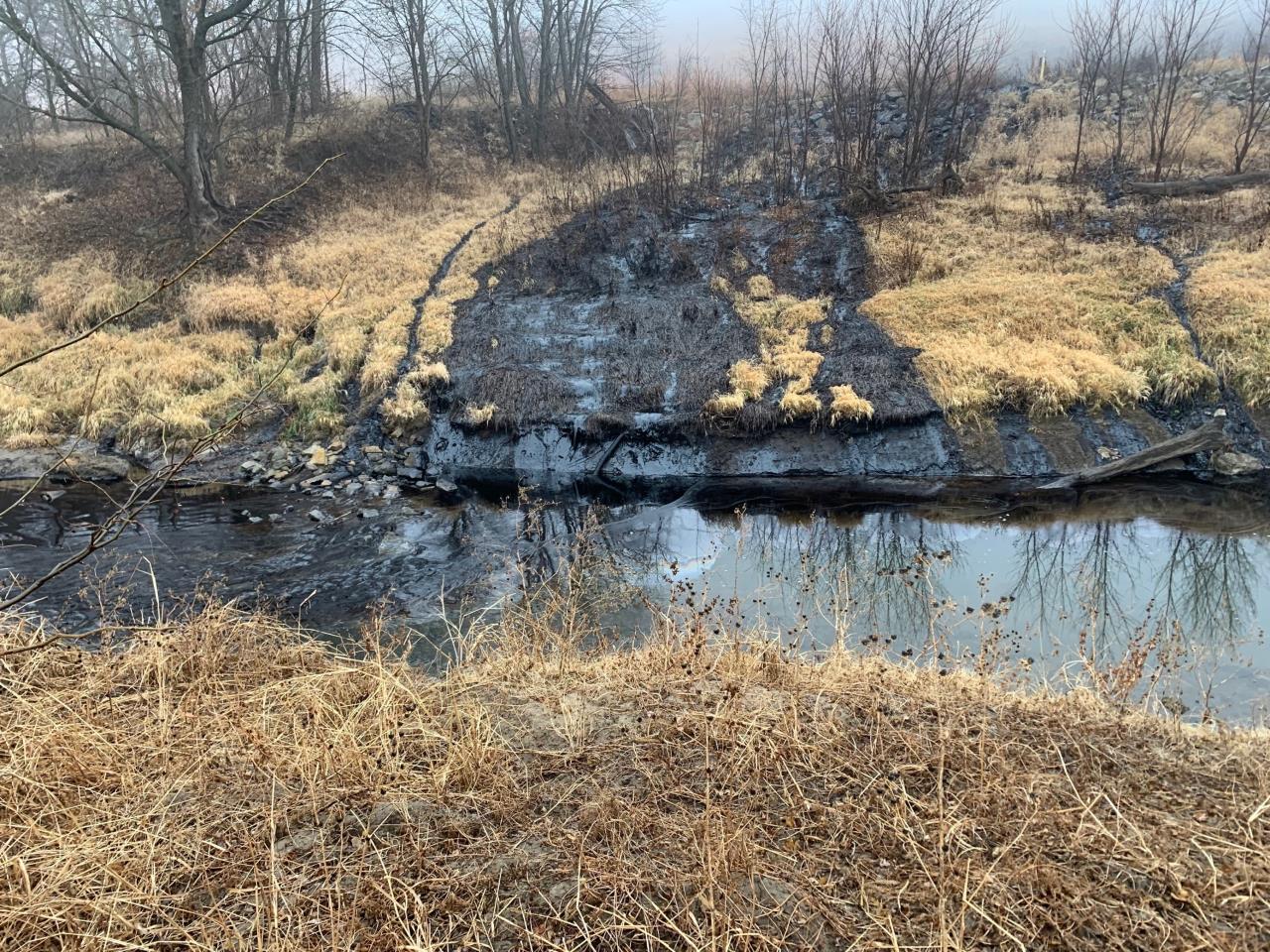
The spill occurred after a rupture released nearly 13,000 barrels of heavy crude oil into a creek running through rural pastureland in Washington County, Kansas, roughly 150 miles northwest of Kansas City. While no pipeline workers or local residents were injured and officials confirmed that public drinking water supplies were not contaminated, the environmental consequences were significant. Court documents state that more than 2,700 animals were harmed or killed, and the affected area includes habitat for the endangered northern long-eared bat.
EPA officials described the spill as causing extensive damage to both land and waterways. Jeffrey Hall, Assistant Administrator for the agency’s enforcement office, said the contamination left the creek heavily damaged and required an extensive cleanup effort, adding that the financial penalty reflects the severity of the environmental harm.
The Kansas incident was one of the most serious pipeline accidents in recent U.S. history. According to the U.S. Government Accountability Office, it was the country’s largest onshore crude oil pipeline spill in nine years. The volume of oil released exceeded the combined total from the previous 22 spills recorded across the Keystone pipeline system and was nearly enough to fill an Olympic-sized swimming pool.
An engineering report prepared for the U.S. government in May 2023 concluded that the section of pipeline where the rupture occurred had been under excessive stress since its installation in December 2010. Investigators suggested that construction activities may have altered the surrounding ground, creating additional strain on the pipe. The government’s legal complaint also alleges that the soil beneath the pipeline had been improperly compacted and that although the site was re-excavated in 2013, the affected section of pipe was never replaced.
South Bow became an independent company in 2024 after TC Energy separated its liquids pipeline business following completion of the Kansas cleanup. The Keystone pipeline system extends approximately 2,689 miles, transporting heavy crude oil from Canada’s oil sands to refineries in Illinois, Oklahoma and Texas.
Photo credit: U.S. Department of Transportation. All rights reserved.