

Process Safety Beacon: Training after a change
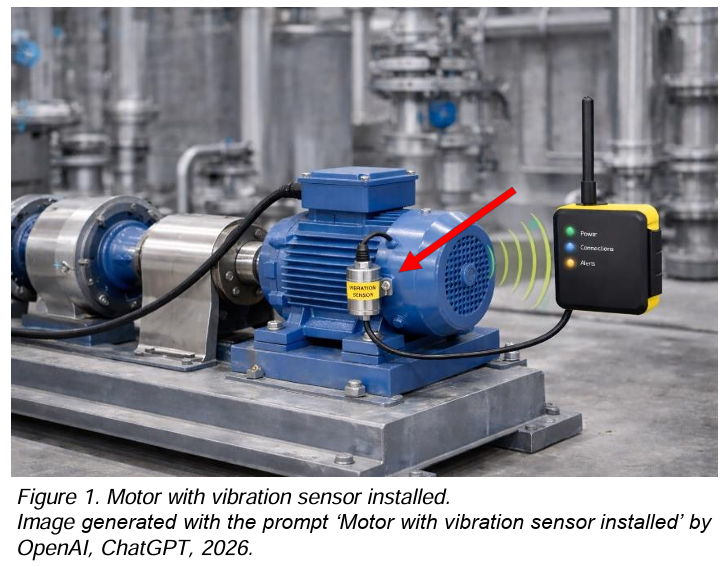
A site implemented a project to install vibration monitoring on all major pieces of rotating equipment. Once the project was completed, a technician monitored the vibration data. One day, the vibration graph for a motor was a flat line. This seldom happens, even for well-balanced equipment. When investigating in the field, he found the vibration sensor (red arrow) was not attached to the motor. The motor had been replaced, and the workers doing that work did not know what the sensor did, so they did not reinstall it on the new motor. Why did this happen? We don’t know, but there are several options:
▪ The change may have been communicated to the affected employees, but they were not trained on how that changed their tasks.
▪ The procedure for replacing the motor may not have been updated to include removing and replacing the sensors.
▪ A contractor changed the motor and was not given the updated procedure.
Did you know?
- Change is important for improving the safety and efficiency of the process; however, it must be done well to ensure the change does not cause new or different hazards when implemented.
- Effective MOC (Management of Change) requires a technical description of the proposed change, a review, a hazard and risk analysis of the change, and approval of the change.
- A change is not complete until the documentation is updated, workers are informed of the change, and affected employees are trained on the modified equipment and procedures.
- Where contractors are maintaining or operating your equipment they also need to be informed, receive proper training and have accurate procedures.
- Some changes are not process-related such as updating the emergency response plan. Here, many people, including some off-site, may need to be informed and retrained.
What can you do?
- During MOC hazard reviews ensure that changed equipment will be properly inspected.
- When being trained on a process change, it may be necessary to review the changed equipment in the field to see the actual equipment as installed.
- When operating equipment after a change, carefully read and follow the procedure. If you find a problem with it, notify your supervisor.
Changes aren’t complete until the procedures are updated & workers are trained.
Download the latest Process Safety Beacon
Source: ©AIChE 2026. All rights reserved.