USA – Radioactive Wasp Nest Found at Former Nuclear Weapons Facility
A recent report from the U.S. Department of Energy (DOE) revealed that a radioactive wasp nest was discovered at the Savannah River Site (SRS), a former production facility for plutonium and tritium used in nuclear weapons. Radiation readings from the nest were recorded at levels more than ten times higher than what current federal safety standards allow.
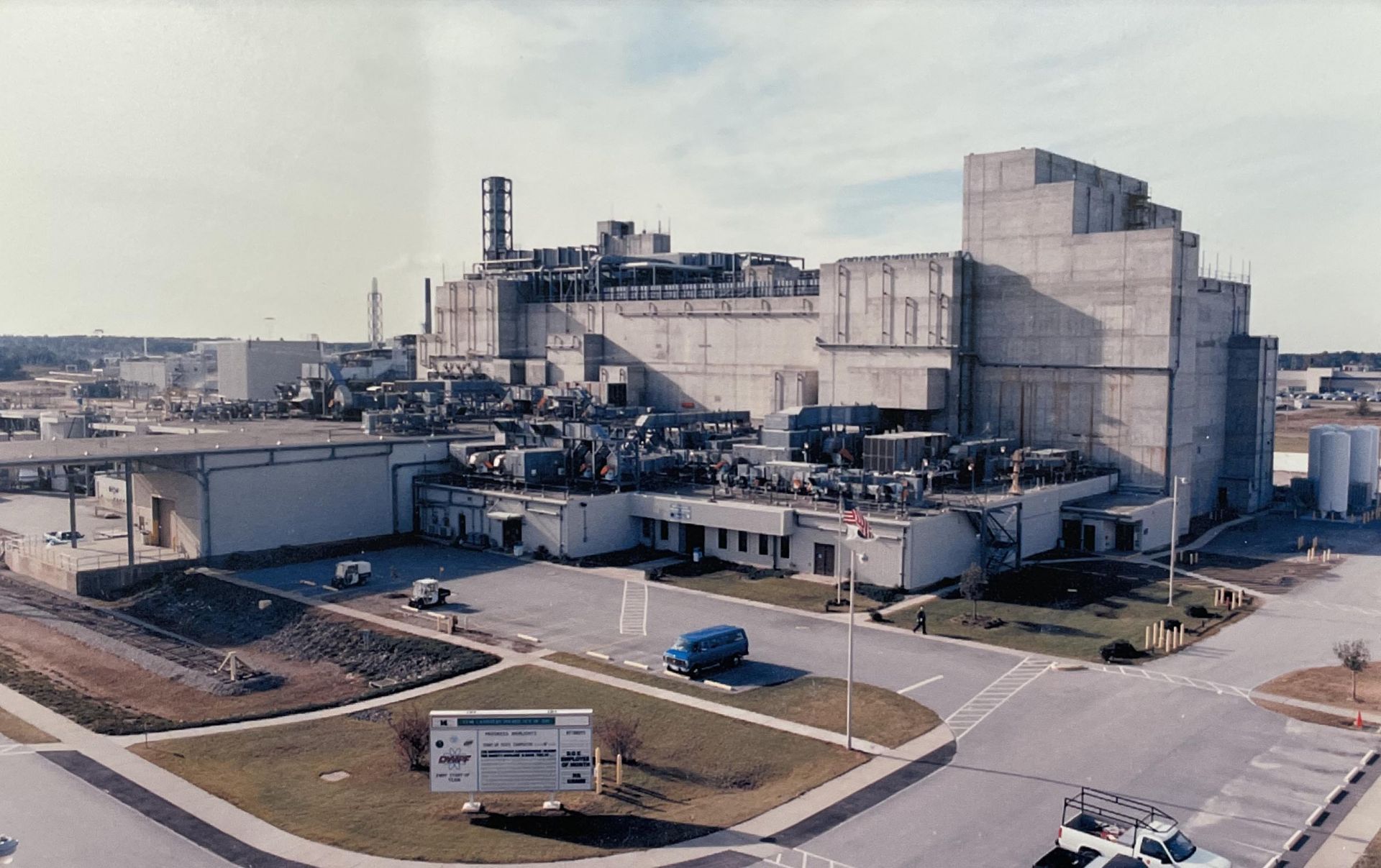
According to the DOE, Radiological Control Operations (RCO) identified the nest on July 3, attached to a stanchion inside a restricted area of the site. Located in South Carolina, about 25 miles (40 km) southeast of Augusta, Georgia, the SRS facility once played a central role in the U.S. nuclear weapons program.
When tested, the nest registered roughly 100,000 disintegrations per minute per 100 square centimeters of beta/gamma contamination—exceeding the limits outlined in 10 Code of Federal Regulations 835, Appendix D, by more than a factor of ten.
Investigators emphasized that the radioactive readings were not caused by a new leak or spill. Instead, the contamination was traced back to residual radioactivity from the 1950s, when the site was actively producing nuclear materials. The DOE classified the discovery as “onsite legacy radioactive contamination” and confirmed that the public and surrounding environment were not at risk.
The nest itself was treated with pesticide, though no wasps were present at the time. It was then sealed and disposed of as radiological waste. Officials added that any wasps that had occupied the nest would likely have carried only minimal levels of contamination and, given their limited flight range, would not have traveled beyond the site. The surrounding ground and equipment showed no additional signs of contamination.
Photo credit: SRS. All rights reserved.