

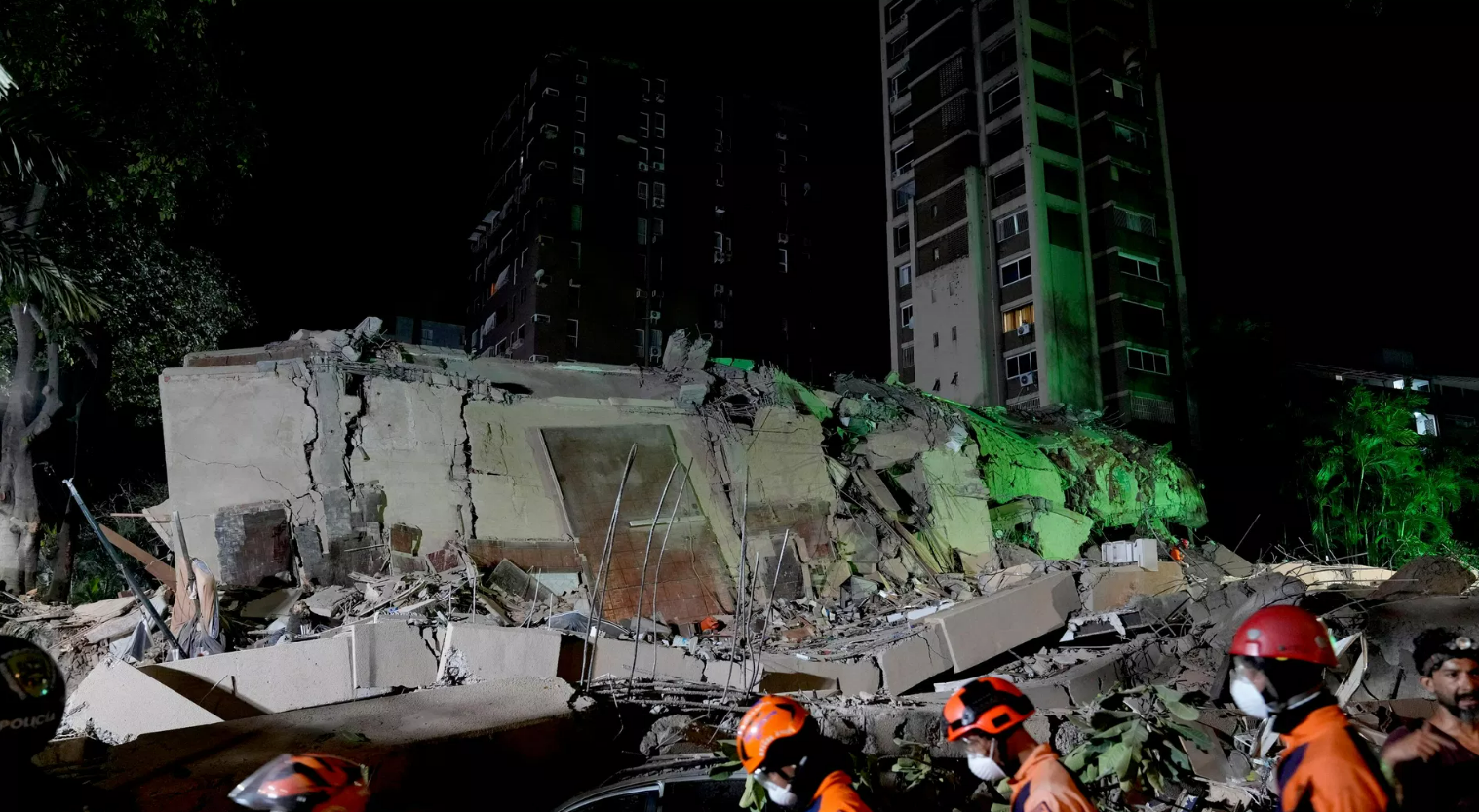
VENEZUELA – Earthquake Causes Limited Damage to Venezuela’s Oil Infrastructure
Venezuela’s oil industry has reported only limited damage following the earthquakes that killed more than 180 people, injured over 1,500, caused widespread power outages, and damaged buildings across parts of the country. Preliminary inspections indicate that most oil, gas, and refining facilities remain operational, with production continuing despite localized disruptions.
Crude oil and fuel exports also remained uninterrupted on Thursday, June 25, as vessels continued loading at the country’s main export terminals, including José, Puerto la Cruz, Amuay, Cardón, and Bajo Grande. However, industry sources said some shipping delays could occur because administrative procedures and permit approvals are taking longer than usual.
Most of Venezuela’s major oil-producing fields, pipelines, refineries, and export terminals are located well outside the areas most affected by the earthquakes. Nevertheless, ongoing electricity outages have raised concerns that crude production, currently estimated at around 1.2 million barrels per day, could be affected if power supplies are not restored quickly.
The country’s largest refining complex, Paraguaná, continues to operate at normal levels, while no significant damage has been reported in the Orinoco Oil Belt or western Venezuela, where most crude production is concentrated.
In central Venezuela, where the earthquakes were centered, operations at the Morón petrochemical complex resumed on Thursday after a brief shutdown. Authorities confirmed that although part of the storage infrastructure was damaged, inspections are continuing and additional processing units could return to service soon. It remains unclear whether a storage tank leak detected shortly after the earthquakes has been fully repaired.
The El Palito refinery, which has a processing capacity of 146,000 barrels per day, remains partially offline after damage to power lines triggered a blackout. The outage forced several refining units, including the fluid catalytic cracking unit, to shut down while repairs continue.
Carlos Miquileno, chief of the Morón and Urama fire departments, said electricity generation at the state-owned Planta Centro power station is expected to begin recovering, a development that could help restore refinery operations over the coming days.
State-owned companies Petróleos de Venezuela S.A. (PDVSA) and Pequiven have not issued official updates on the condition of their facilities, while the Ministry of Petroleum has not responded to requests for comment. The operational status of some domestic fuel terminals and storage facilities near the earthquake zone also remains uncertain.
Foreign energy companies operating in Venezuela reported that their facilities continue to function normally. Chevron, Eni, Repsol, and Shell confirmed that all personnel have been accounted for and that their operations have not been significantly affected by the earthquakes.
Chevron said its business remains operational, while Eni and Repsol stated that production has continued without disruption. Repsol also confirmed that the Perla natural gas project, jointly operated with Eni and responsible for supplying approximately half of the natural gas used by Venezuela’s thermal power plants, remains fully operational.
Authorities and energy companies will continue inspecting infrastructure throughout the week as repair work progresses and power is gradually restored across affected regions.
Photo credit: Ariana Cubillos. All rights reserved.